

This passage will guide you at:
-
Introduction
-
Ganesh’s Mythical Origins
-
Ganesh Statues: A Historical Journey
-
Regional Artistry and Material Choices
-
Decoding Ganesh Imagery
-
Celebrations and Rituals
-
The Contemporary Appeal of Ganesh Statues
-
Conclusion
Text Leading
- Join us in an enthralling odyssey as we delve into the mesmerizing world of Ganesh statues, where wisdom, prosperity, and the removal of obstacles converge.
- We’ll traverse the captivating mythology, rich history, and spiritual significance of these sacred artifacts that grace homes and temples alike.
- In our exploration, we’ll unearth the diverse artistic styles and materials, decipher the profound symbolism behind each intricate detail, and illuminate the roles of Ganesh statues in rituals, celebrations, and modern settings.
- Embark on a journey that reveals how these timeless treasures can enrich your life and spiritual path.
Introduction
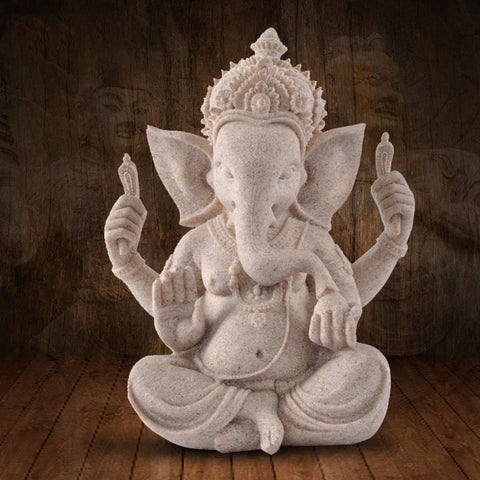
Lord Ganesh, the revered elephant-headed Hindu deity, is synonymous with wisdom, prosperity, and the removal of obstacles. As a figure with a rich history spanning millennia, Ganesh statues have become cherished artifacts, adorning both homes and temples. In this article, we’ll delve into the fascinating beginnings, symbolism, and cultural importance of these sacred works of art.
Ganesh’s Mythical Origins
The captivating mythology of Lord Ganesh is deeply rooted in Hindu legends.
Ganesh Statues: A Historical Journey
Ganesh statues have been a cornerstone of Indian culture for over 2,000 years. Early artistic representations can be traced back to the 1st century CE in ancient Indian art and architectural designs.
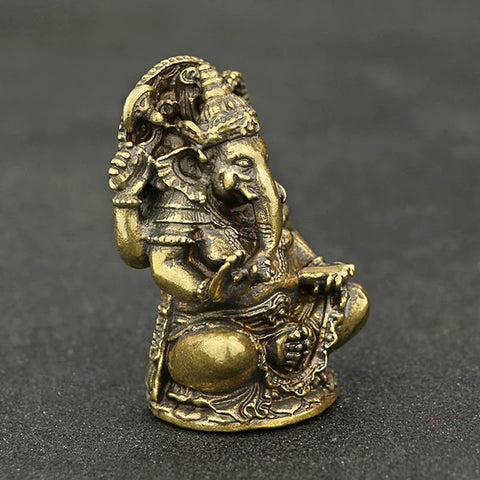
Initially crafted from stone or clay, artisans later embraced metals such as bronze and gold. Over time, the statues evolved, incorporating diverse styles and materials across India and beyond.
Regional Artistry and Material Choices
The distinct artistic styles of Ganesh statues can be ascribed to regional influences and material availability. In southern India, the intricate carving of statues is often achieved using granite.
The Chola dynasty, spanning from the 9th to the 13th century, is renowned for its exquisite bronze Ganesh statues. Other commonly utilized materials include marble, wood, and terracotta, each offering unique features that add to the statues’ overall appeal.
Decoding Ganesh Imagery
Ganesh statues are replete with symbolism, with each element holding profound meaning.
- The elephant head epitomizes wisdom and intellect, while the large ears signify keen listening skills.
- Ganesh’s curved trunk represents adaptability, and his single tusk highlights the importance of embracing the good and discarding the bad.
- The potbelly symbolizes the universe and Ganesh’s capacity to digest life’s vicissitudes. Whether seated upon a lotus or a mouse,
- Ganesh exemplifies spiritual enlightenment and humility.
Celebrations and Rituals
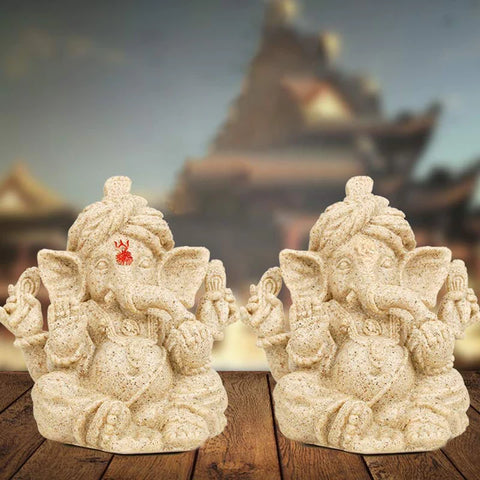
Ganesh statues play a pivotal role in numerous rituals and celebrations. Most notably, the 10-day festival of Ganesh Chaturthi honors the deity’s birth.
Devotees put clay statues in their homes, offering prayers and gifts in worship. The festival culminates with the immersion of these clay statues in water bodies, signifying Ganesh‘s return to his parents’ abode on Mount Kailash.
The Contemporary Appeal of Ganesh Statues
In modern times, Ganesh statues continue to hold cultural and spiritual significance. They’re often found in homes, offices, and spiritual spaces as symbols of wisdom, prosperity, and protection.
At Buddha Stones, we offer a carefully curated selection of handcrafted Ganesh statues, each capturing the essence of this revered deity. Our collection features statues crafted from various materials and styles, ensuring you find the perfect piece to elevate your space and spiritual journey.
Ganesh Statues FAQ
1. What do Ganesh statues symbolize?
Ganesh statues symbolize wisdom, understanding, and a remover of obstacles. He is revered as the god of beginnings and is traditionally invoked at the start of any new venture or journey. His presence is believed to bring protection, fortune, and success.
2. Why is Ganesh depicted with an elephant head?
Ganesh is depicted with an elephant head because, according to Hindu mythology, his original human head was accidentally destroyed by his father, Lord Shiva. Shiva replaced it with the head of an elephant, which symbolizes strength, honor, and stability.
3. What should I consider when placing a Ganesh statue at home?
When placing a Ganesh statue at home, it is important to follow certain traditional practices:
- The statue should face the interior of the home, not the entrance.
- Ideally, it should be placed in the northeast corner of the house.
- The statue should be on a raised platform and kept clean and free of any clutter around it.
4. Are there specific rituals associated with Ganesh statues?
Yes, there are specific rituals associated with Ganesh statues, especially during Ganesh Chaturthi, a festival celebrating his birth. Rituals include:
- Daily prayers and offerings, such as sweets (particularly modaks), flowers, and incense.
- Special chants, such as the Ganesh mantra, are recited to honor and invoke his presence and blessings.
5. How should I maintain and care for a Ganesh statue?
To maintain and care for a Ganesh statue:
- Regularly clean the statue gently with a soft cloth.
- Avoid using harsh chemicals; mild soaps are preferable if needed.
- For metal statues, proper polishing is recommended to prevent tarnishing.
- Place the statue in a respectful area, avoiding bathrooms and the floor.
6. What materials are commonly used to make Ganesh statues?
Ganesh statues are made from a variety of materials, including:
- Brass and bronze for durability and traditional appeal.
- Marble and stone, which are popular for their beauty and sturdiness.
- Clay and eco-friendly materials, especially used during the Ganesh Chaturthi festival to promote environmental sustainability.
7. Can Ganesh statues be gifted?
Yes, Ganesh statues are considered auspicious gifts, symbolizing good wishes for new beginnings and the removal of obstacles. They are often given for occasions like weddings, housewarmings, and business openings.
These FAQs cover the basic aspects of Ganesh statues, from their symbolic significance to practical tips on placement and care.
Conclusion
Ganesh statues transcend mere decorative objects, representing a rich history, powerful symbolism, and a connection to ancient wisdom. By choosing a Ganesh statue for your home or sacred space at buddhastoneshop.com, you invite the blessings of this beloved deity and enrich your life with spiritual growth and abundance.